| Vessel Make: | Keywest 15 |
|---|---|
| Vessel Weight: | 22T |
| Old Engine: | 2 x CAT 3176 (repurposed commercial engines) |
| New Engine: | FPT C90 620 |
| Old Engine Rating: | 600HP @ 2,300rpm |
| New Engine Rating: | 620HP @ 2,530rpm |
| Weight Difference | FPT engines: 237kg Lighter |
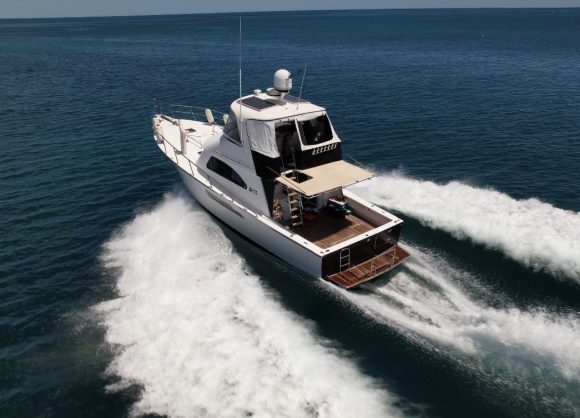
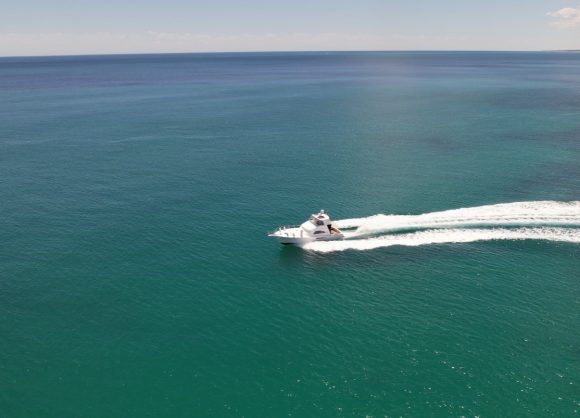
A recent repower on a Keywest 15, built by Trevor Rumble, highlights a common situation many boat owners face — whether to rebuild an existing engine or invest in a full repower.
This 15-metre vessel, weighing approximately 22 tonnes, was originally fitted with repurposed CAT 3176 marine engines. Rated at 600HP at 2300rpm, these engines had previously been used in a commercial fisheries vessel, sourced through Troy East, and had already seen around 2000 hours of commercial use.
The Problem
The issue began when the port engine suffered a major failure. Coolant entered the combustion chamber through a pinhole in one cylinder liner, causing significant internal damage.
After inspection by a CAT mechanic, it was clear:
- The engine required a full rebuild
- The cost would be high
- There were no guarantees on long-term reliability
This left the owner asking the key question:
“Is it better to rebuild — or repower?”
The Solution
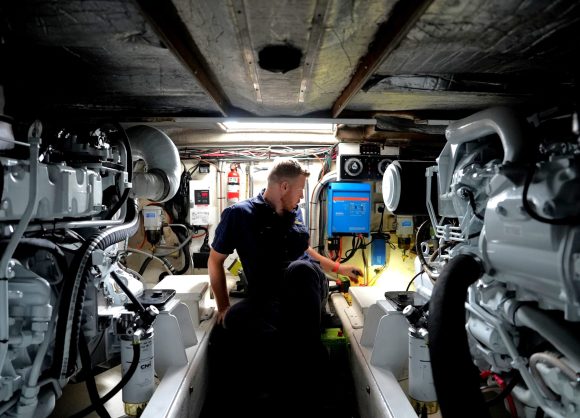
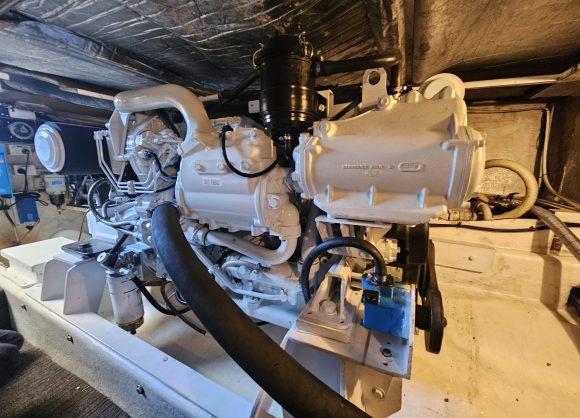
After assessing the vessel, we recommended a full repower using 2 x FPT C90 620 marine engines.
These engines deliver:
- 620HP at 2530rpm
- A modern, reliable platform
- Strong performance with excellent value for money
Why Repower Made Sense
There were a few key factors that made repowering the better long-term decision.
Firstly, the weight difference. The original CAT engines weighed 1177kg each, while the FPT engines come in at 940kg — a reduction of 237kg per engine. This has a direct impact on vessel performance, balance, and efficiency.
Secondly, we were able to reuse much of the existing setup, including the gearboxes, shafts, and propellers. This helped keep the overall project cost down without compromising the outcome.
From a financial perspective:
- Rebuilding would cost around 80–90% of a new engine
- The result would still rely on 15-year-old technology
- Parts are harder to source and long-term reliability is uncertain
Repowering, on the other hand, provided a clean reset — new engines, modern systems, available parts, and full warranty support.
Rebuild vs Repower
One of the most common questions we get is:
“Should I rebuild or repower?”
The answer is that every boat is different, but it’s important to be careful not to get caught out throwing good money after bad. Continuing to repair or rebuild ageing engines can quickly become a cycle, especially when you’re investing heavily into outdated technology with no clear long-term reliability.
The Outcome
The end result is a vessel that is now set up for the long term, with:
- Increased power
- Reduced engine weight
- Improved reliability
- Ongoing support and warranty
In this case, repowering wasn’t just an alternative — it was the smarter investment. Instead of continuing to put money into older engines, the owner now has a more reliable, future-ready setup built to perform.
If you’re facing the same question — rebuild or repower — our team can help you make the right call for your vessel. Get in touch with us at (08) 9344 4844 or info@thtsales.com.au to discuss your setup and explore the most reliable, cost-effective solution for the long term.